EDUCATIONAL MATERIALS
FOR PROFESSIONALS
Access specialized materials offering deeper technical insight into bioremediation technologies and NYMPHE’s scientific developments. Designed for experts, these resources support advanced learning and practical application.

NYMPHE WEBINAR: The next frontier: Training microorganisms for combatting pollution
How can biological processes help tackle environmental pollution while supporting the EU Zero Pollution Action Plan and the transition to a circular economy? These questions were explored during a NYMPHE webinar showcasing innovative bioremediation solutions based on microorganisms, plants, fungi, and algae.
The webinar was organised as part of EU Green Week 2026, an initiative led by the European Commission’s Directorate-General for Environment.
Innovative Microbial Solutions for Environmental Remediation - Nymphe workshop
This workshop explored NYMPHE's bioremediation concepts, ambitions and strategies, with partners sharing insights and evaluating solutions.
The event was designed as a two-way co-creation activity, combining the presentation of NYMPHE bioremediation solutions with structured stakeholder input to support further technical development and exploitation planning.
Discussions focused on barriers to uptake, including technological acceptance, societal perceptions of genomically edited biologics, and regulatory, financial, and operational constraints.
The contribution of environmental bioremediation to the Clean industrial Deal in Europe - ALL4BIOREM workshop
The EU Bioremediation Cluster Workshop, held during the EBC-IX Conference, brought together leading voices from the ALL4BIOREM cluster to explore the future of microbiome-based environmental restoration.
The session brought together nine EU-funded projects – EDAPHOS, IASIS, NYMPHE, BIOSYSMO, MIBIREM, pHYBi, LIFE MySOIL, SYMBIOREM, and BIOREM – fostering dialogue with researchers, policymakers, and industry representatives on the role of bioremediation in Europe’s sustainable transition.
1st Bioremediation Workshop
During the Bioremediation Workshop in Madrid, NYMPHE partners shared their expertise in bioremediation.
Project Coordinator Giulio Zanaroli (UNIBO) delivered an introduction to bioremediation principles and techniques, as well as an overview of the NYMPHE project and its expected outcomes.
Session I focused on the development of NYMPHE’s bioremediation strategies, while Session II was dedicated to evaluating and refining these strategies.

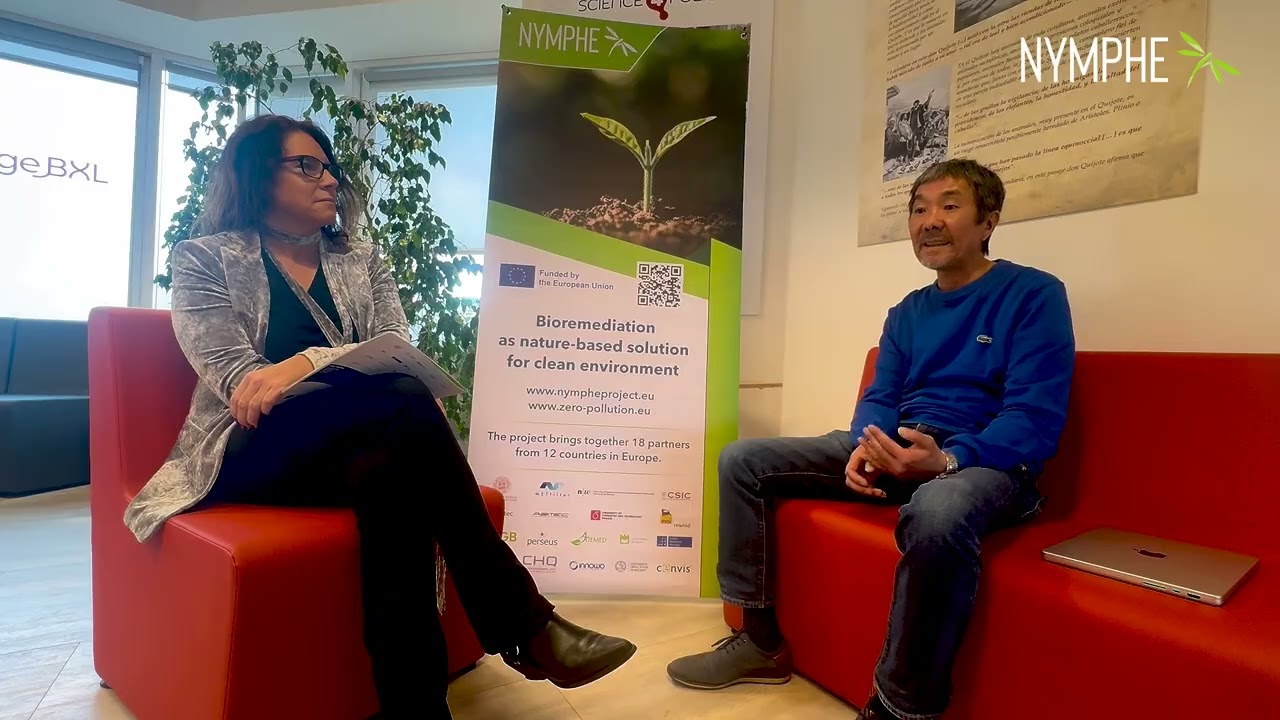
Expert Interviews
Discover interviews, expert perspectives, and video insights presenting the latest developments, challenges, and innovations explored within the project.